MyMeditation
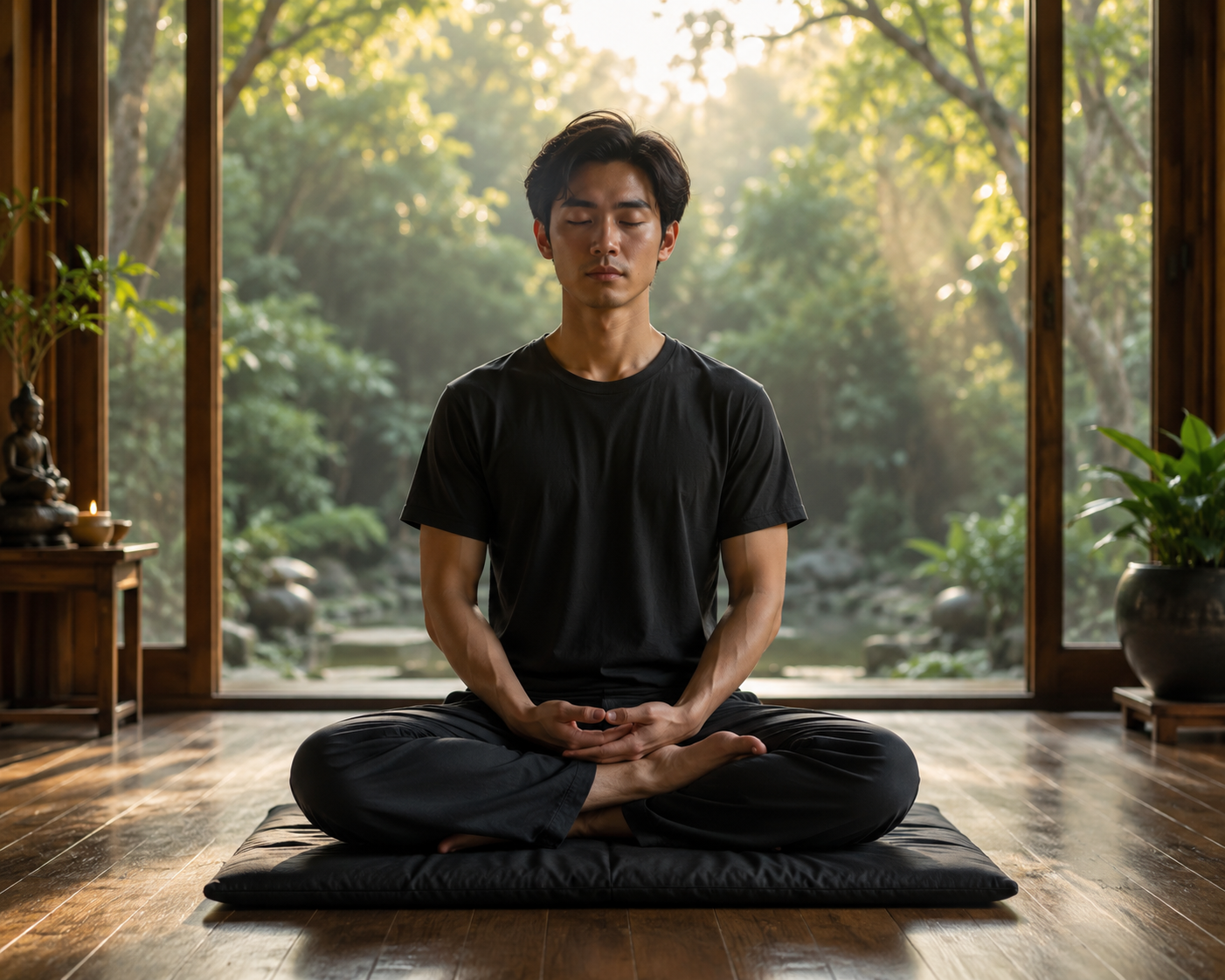
Welcome to My Meditation
This website is about learning to become calm, steady, and aware while still living your everyday life.
Meditation isn't about escaping life. It's about becoming less controlled by the world around you.
I created this site to share what I've learned through my own experience and to offer a simple path for anyone who wants to develop greater calmness, awareness, and a better understanding of their thoughts, emotions, and actions.
Basic Premise
1. Calmness
Calmness creates the foundation for everything that follows.
It is not about becoming emotionless or forcing the mind to stop. Instead, calmness creates a little space between what happens and how you automatically respond.
When the mind becomes calmer, you begin to notice thoughts, emotions, impulses and reactions without immediately following them.
This creates the foundation for the next step:
Steadyness of mind.
2. Steadyness
Steadyness is learning to remain in the space created by calmness.
Thoughts, emotions and impulses can still appear, but you don't have to follow every one of them.
Instead, you remain grounded while they pass through your awareness.
The mind becomes less reactive and you begin to have greater choice in how you respond to life.
3. Pure Consciousness
Pure consciousness is not an empty mind. It is freedom from unnecessary mental activity.
"Pure" does not mean that the mind becomes completely empty.
Instead, it means that the mind becomes less occupied by unnecessary thoughts, reactions and impulses.
Awareness becomes clearer because there is less mental activity competing for attention.
Pure consciousness, in this sense, is not something that has to be forced.
It becomes a natural by-product of a calm and steady mind.
4. Elevated Consciousness
Elevated consciousness is the freedom to experience life without being controlled by every thought, emotion or impulse.
It is about becoming less controlled by automatic thoughts, emotions and impulses.
You can experience something without immediately being consumed by it.
The thought can appear.
The emotion can appear.
The impulse can appear.
But you are still the one who decides what happens next.
You are the one in control — not the impulse.
5. The Journey
Meditation is a gradual journey from calmness to awareness, detachment and freedom.
Sit comfortably.
Relax the body.
Breathe naturally. Don't force the breath.
Step One — The Thoughts
Let thoughts come and go away on their own.
Don't follow them.
Thoughts are reactions of the mind. They don't necessarily represent the real you.
Begin to notice the difference between an impulse and your own thinking.
Step Two — Space
As you stop following every thought, more space begins to appear.
The mind becomes less occupied by random thoughts.
You become calmer and more steady.
This space can eventually feel almost like a shield between you and the constant activity of the mind.
Step Three — Detachment
Notice a thought without following it.
Experience an emotion without becoming completely absorbed by it.
Awareness creates space between the internal event and your response.
Step Four — Pure Awareness
As the mind settles, you may begin to experience a deeper sense of calm and stillness.
There is simply awareness, calmness and stillness.
In my own experience, this can become deeply peaceful — almost Zen-like — with a sense of calm or bliss that comes from no longer being occupied by unnecessary mental and bodily processes.
Simply remain aware.
Remain still.
Let the mind settle.
Step Five — Elevated Consciousness
This is where the practice begins to change the way you experience existence.
You are still completely present in your body and in your life, but your awareness is no longer constantly occupied by everything happening within or around you.
Thoughts can arise without needing to be followed.
Emotions can arise without immediately becoming your identity.
Sensations can be experienced without demanding your attention.
There is space between what happens and what you become involved with.
You begin to experience a deeper form of awareness where you are not simply reacting to life, but consciously experiencing it.
The mind can become remarkably quiet while awareness remains completely present.
You are not trying to stop being human.
You are not trying to escape the world.
You are simply no longer being carried by everything that passes through you.
You remain here.
Aware.
Steady.
Present.
And from that stillness, you can experience life with a greater sense of freedom.
Support MyMeditation
If this has had a positive impact on you, your support helps me continue developing and sharing these ideas with others.
Support / DonateGoing Deeper — The Advanced Journey
1. The Being
This is the state that you carry into your everyday life.
You are aware of your thoughts and emotions, but you are not attached to them.
Because of that distance, the noise of your inner world and the noise of the world around you no longer automatically controls how you experience life.
You can still smile, feel, live and love normally.
The difference is that your experiences can become much clearer.
You can experience happiness without it becoming mixed with the fear of losing it.
You can experience sadness without immediately becoming consumed by it.
You can experience anger without anger instantly deciding what you do.
There is an acknowledgement of what is happening, followed by a choice.
Thoughts can become quieter too.
Instead of always waiting for a thought to fully form, you may begin to notice something before the thought itself — almost like a state that exists just before thought.
And because awareness is already present, you don't have to constantly work at maintaining it.
It becomes as natural as balance.
At the basis of The Being is non-attachment.
When you aren't attached to everything happening around and within you, there is freedom.
Freedom to feel.
Freedom to think.
Freedom to choose.
Freedom to simply be yourself.
I don't see The Being as discovering some final or absolute Self.
We are still human.
We are still affected by the experiences of this life, and we cannot truly know that what we experience here is the ultimate Self.
But perhaps we can become very close to it.
The Being, to me, is simply being myself with less and less between me and who I am.
That is where the journey goes deeper.
2. The Outlook
This is how you experience and respond to life.
Life becomes simpler and lighter.
You are still yourself. You still have feelings, preferences, thoughts and emotions. The difference is that you are not constantly overwhelmed by them.
The basis of The Being is the ability to keep thoughts and emotions under control.
You learn to manage them systematically rather than automatically reacting to everything that happens.
When something happens, you can see what is happening and act accordingly.
You may feel strongly about something, and those feelings can still be important. But they are controlled and aware feelings. They don't automatically take over what you do.
Most of the time, you are operating from a state before those feelings take hold. From there, you can see more clearly and decide how you want to respond.
This makes dealing with problems more methodical.
The problem itself doesn't necessarily look different. What changes is your ability to manage it.
You can become calmer, clearer and more capable of working through the situation in your own way.
And when life becomes chaotic, you know how to reset.
Calm the mind.
Become steady again.
Then continue.
You don't need to respond to every situation in the same way. Sometimes you may be compassionate. Sometimes firm. Sometimes you may act. Sometimes you may walk away.
The Being does not give you one correct way to live.
It gives you the ability to remain aware enough to choose.
This is what makes life feel lighter.
You are still living the same life, with the same world, the same problems and the same human emotions.
But you are no longer carrying all of them at once.
You can feel without being overwhelmed.
You can think without being consumed by thought.
You can experience life without being controlled by every reaction that arises.
And when things become chaotic, you know how to return to yourself.
That, to me, is The Outlook.
3. The Life
I truly hope that I have given you the tools and understanding to have a different take on viewing the world and life. The best of luck to you.
The Life is where becoming starts to change how you live.
You are still a normal human being.
You can smile, laugh, joke with your friends, enjoy yourself, become excited, feel frustrated and experience all the normal emotions of life. The difference is that there is a steady awareness underneath it all.
Once you learn to keep that awareness on, it can become almost automatic.
It is like having an internal monitor that recognizes what is happening within you.
Thoughts, impulses and emotions can be noticed as they begin to arise. When something is likely to lead to an unwanted result, you can recognize it before automatically following it.
You don't have to constantly analyze yourself.
The awareness simply remains present.
Because of this, many problems can become easier to manage. Instead of reacting first and dealing with the consequences afterward, you can recognize what is happening while it is still developing.
A situation happens.
You notice your response.
You recognize what is happening within you.
Then you decide what to do.
This doesn't mean that every emotion needs to be stopped. Emotions are part of being human. The point is being able to recognize when an emotion, impulse or thought is taking you somewhere you don't actually want to go.
Over time, this constant self-awareness can also make problem-solving more natural.
You are constantly receiving information about yourself while you are dealing with the world around you. You can recognize mistakes earlier, notice patterns, and adjust your actions before things become more complicated.
The result isn't a life without problems.
It is a person who is better prepared to handle them.
You become steadier at the core while remaining completely human on the outside.
You can live naturally because the awareness isn't there to control your life.
It is there to help you live it.
Becoming is the process of developing this awareness until it becomes a natural part of how you live.
Summary
Meditation is often presented as a way to relax, escape from stress, or find temporary peace.
I see it differently.
Meditation is a process of learning how the mind works, learning to recognize what is happening within it, and gradually developing the ability to remain steady rather than being controlled by every thought, emotion, or impulse.
The process begins with calmness.
When the mind becomes calmer, there is a little more space between what happens and how we automatically react to it. Within that space, awareness becomes clearer.
From awareness comes steadiness — the ability to remain present without immediately following every thought or emotion that appears.
As this develops, we begin to understand detachment. We can experience thoughts, emotions, people, possessions, success, failure, and the events of everyday life without needing to be completely overwhelmed by them.
This creates a different way of experiencing life.
The goal is not to become disconnected from the world. It is not to escape life or not have thoughts and emotions.
It is to become less controlled by them.
The journey described on this website begins with simple meditation and gradually moves toward deeper awareness and a greater understanding of consciousness.
Everything here is based on my own experience and understanding. I do not present it as an absolute truth. My intention is simply to share what I have learned and to give others something they can explore for themselves.
Don't escape life. Become less controlled by the world around you.
PEACE

If you want to know whether you're where you belong, find your peace there. If you can be at peace there, you might just be where you're meant to be.
If you want to know whether you're in the right place or with the right person, look for peace. Not necessarily excitement, the constant need for reassurance, or the feeling that you must keep proving yourself or fighting to make something work. Instead, look for a sense of peace in which you can simply exist, be yourself, and live without continually fighting against your own mind.
Peace doesn't mean you'll never experience conflict, discomfort, or uncertainty. The right person can challenge you, and the right place can demand growth. What matters is whether, beneath those difficulties, there's a fundamental sense of safety, acceptance, and inner steadiness.
Sometimes, you might not feel peaceful because of what's happening inside you, even when you're in the right place. So peace is a compass, not an infallible verdict.
Think about the problems people face every day. In relationships, we ask ourselves, "Am I with the right person?" At work, we wonder, "Am I living the life I want?" When making decisions, we question whether we're going in the right direction. We may even wonder why we have everything we wanted but still feel unsettled, or why we can't find peace when nothing seems wrong.
Perhaps we can use what I call The Peace Test to explore these questions: the right person, the right place, the right work, the right decisions, and, ultimately, the relationship we have with ourselves.
Peace isn't proof that a person or situation is right for you. Familiarity, avoidance, and fear can also feel peaceful. The deeper question is whether you can find a lasting sense of peace while remaining honest with yourself and facing reality.
Going Beyond Stillness
The State Between Movements
Everything in our ordinary experience involves movement.
The body moves. The mind moves. Thoughts arise, emotions react, and our attention continually shifts from one thing to another.
But what happens when these movements become still?
When the body settles and the mind becomes calm enough, we begin to experience something different.
It is not an extraordinary state.
It is not about forcing the mind into emptiness.
It is a state in which the activities that normally occupy us have settled, leaving us with a sense of nothingness that is not empty, but calm and smooth.
A state between movements.
A state of pure calmness.
You are not trying to make something happen.
You are simply experiencing what remains when the movements have settled.
This is what I call going beyond stillness.
Most Asked Questions
Is this religious content?
This website is not teaching a religion. Meditation can be practiced within many different religions. The ideas are based primarily on personal experience, meditation, awareness, and observation of the mind.
Do I need to be advanced in meditation to understand this?
You don't need years of meditation experience. The earlier stages are about things everyone experiences: thoughts, emotions, reactions and impulses. You can begin simply by noticing what happens in your own mind. Some deeper experiences may take time and practice to understand, but you do not need to be an advanced meditator to begin the journey.
Does becoming detached mean becoming emotionless?
No. You can still feel happiness, sadness, excitement, frustration and love. Detachment isn't about removing emotions. It's about experiencing them without automatically being carried away by them.
Does meditation mean escaping from ordinary life?
For me, it became almost the opposite. The purpose isn't to escape life, but to experience it with greater clarity.
Will meditation change my personality?
You are still yourself. Your preferences, humor, interests and individuality remain. What can change is your relationship with your thoughts, emotions and reactions.
What happens when awareness becomes natural?
You don't necessarily feel like you're meditating all the time. Awareness can simply become part of how you live. You notice what is happening and have more freedom in deciding what to do with it.
What if I can't stop my thoughts?
You don't have to stop your thoughts. Thoughts are a natural part of being human. The practice is learning to notice them without automatically following them. Over time, the mind can become quieter, but the goal isn't to force it into silence.
How do I know if meditation is actually working?
The changes may not always be obvious while you are meditating. You may notice them later in everyday life — in the way you respond to situations, how quickly you become caught up in emotions, or how easily you return to a steady state. For me, the real measure is what begins to develop outside of meditation.
Can meditation actually change the way I live?
Yes. At least, that is what I have experienced. Meditation can begin as something you do while sitting quietly, but the awareness developed through it can gradually become part of how you live. You are still the same person, living the same life, but you may begin to experience yourself and the world around you differently.
How did I come up with these concepts and conclusions?
I observed what was happening in my own mind rather than starting with a fixed belief system. I began noticing patterns in thoughts, emotions, impulses and awareness. Over time, I connected these observations and developed my own framework for understanding them.
Books by Charlie
If you would like to explore these ideas further, I have also written several books that continue the exploration of awareness, stillness, and consciousness.
Clarity Without Pull
How Awareness Stabilizes the Mind in a Reactive World
An exploration of how awareness can create space between what happens within us and how we respond, allowing greater clarity and steadiness in everyday life.
The Structure of Awareness
Understanding the Layers of the Mind, Stillness, and Human Clarity
A deeper exploration of awareness, stillness, and the different layers through which we experience the mind and ourselves.
META AWARENESS
The Layer Beyond Thought
An exploration of what may become possible when awareness is no longer limited to following thoughts, allowing a quieter and more direct relationship with experience.
Support Section:
If This Has Had an Impact on You
If something you have read here has helped you, given you a different perspective, or encouraged you to explore your own awareness, you are welcome to support this work.
If you find my work helpful, your support is greatly appreciated.
Bank Transfer
KasikornBank
Account Name: ชาลี โรเบิร์ต
Account Number: 0621173138
Thank you for supporting my work.
บทนำ
ผมหวังว่าประสบการณ์เหล่านี้จะเป็นประโยชน์ต่อผู้ที่กำลังค้นหาความสงบ ความเข้าใจในตัวเอง และวิธีใช้ชีวิตท่ามกลางความวุ่นวาย โดยไม่จำเป็นต้องปิดกั้นตัวเองจากโลกใบนี้
1. แนวทางการทำสมาธิในแบบของผม
สำหรับผม หัวใจของสมาธิคือ ความสงบนิ่งของจิตท่ามกลางชีวิตประจำวัน
โลกยังคงเคลื่อนไหว ผู้คนยังคงพูดคุย เหตุการณ์ต่าง ๆ ยังคงเกิดขึ้น และความคิดก็ยังสามารถเกิดขึ้นได้ แต่จิตไม่จำเป็นต้องเดินตามทุกสิ่งที่เกิดขึ้น
การทำสมาธิในแนวทางของผมจึงไม่ใช่การพยายามทำให้ทุกสิ่งรอบตัวเงียบสงบ หรือบังคับให้ความคิดหยุดลง แต่เป็นการทำความเข้าใจว่า เราจะรักษาความสงบนิ่งของจิตไว้ได้อย่างไร แม้ในขณะที่เรายังคงดำเนินชีวิตตามปกติ
นี่คือจุดเริ่มต้นของแนวทางที่ผมต้องการแบ่งปัน ไม่ใช่เพื่อบอกว่านี่คือหนทางเดียวที่ถูกต้อง แต่เพื่อถ่ายทอดสิ่งที่ผมได้เรียนรู้จากประสบการณ์การทำสมาธิของตัวเอง
2. จากความสงบสู่ความเข้าใจตนเอง
จุดมุ่งหมายของการทำสมาธิ คือการทำจิตใจให้สงบ
เมื่อจิตใจเต็มไปด้วยความคิด อารมณ์ ความกังวล และความต้องการ เราอาจมองสิ่งต่าง ๆ ได้ไม่ชัดเจนนัก บางครั้งเราตอบสนองต่อสิ่งที่เกิดขึ้นก่อนที่จะเข้าใจ ตัดสินบางสิ่งก่อนที่จะพิจารณาให้ดี หรือปล่อยให้อารมณ์มีอิทธิพลต่อการมองโลกของเรา
การทำสมาธิเปิดโอกาสให้จิตใจได้กลับมาสงบ เราไม่จำเป็นต้องบังคับให้ความคิดหายไป หรือพยายามทำให้ตัวเองไปถึงสภาวะพิเศษใด ๆ เพียงปล่อยให้จิตใจค่อย ๆ นิ่งลง
จากความสงบนี้ สิ่งสำคัญอย่างหนึ่งก็เริ่มเกิดขึ้นได้ นั่นคือ การมองเห็นและพิจารณาโลกที่อยู่รอบตัว รวมถึงทำความเข้าใจตัวเราเองได้ชัดเจนยิ่งขึ้น
เราสามารถสังเกตความคิดโดยไม่จำเป็นต้องทำตามทุกความคิด รับรู้อารมณ์โดยไม่ปล่อยให้อารมณ์เป็นผู้กำหนดการกระทำ และเริ่มเข้าใจว่าเหตุใดเราจึงตอบสนองต่อสิ่งต่าง ๆ ในบางรูปแบบ เหตุใดเราจึงเกิดความยึดติด และจิตใจของเรามีส่วนกำหนดประสบการณ์ชีวิตอย่างไร
ดังนั้น ความสงบจึงไม่ใช่จุดสิ้นสุดของการเดินทาง แต่เป็นพื้นฐานที่ช่วยให้เราเรียนรู้ที่จะมองเห็นสิ่งต่าง ๆ ได้ชัดเจนขึ้น และเข้าใจตนเองได้ลึกซึ้งยิ่งขึ้น
การทำสมาธิไม่ใช่การหลีกหนีชีวิต แต่เป็นการทำใจให้สงบพอที่จะเข้าใจเข้าใจกลไกของจิตได้ชัดเจนยิ่งขึ้น
3. การเข้าใจความคิดและอารมณ์ของตนเอง
เมื่อเราสามารถทำจิตใจให้เกิดความสงบและมีความมั่นคงได้ เราจะค่อย ๆ เข้าสู่สภาวะของจิตที่เอื้อต่อการทำสมาธิอย่างเต็มที่
ภายในสภาวะนี้ ความคิดและอารมณ์ที่เกิดขึ้นจากการทำงานของสมองและร่างกาย จะสามารถถูกรับรู้ได้ชัดเจนขึ้น เราอาจสังเกตเห็นความคิดแต่ละอย่างที่เกิดขึ้น การเปลี่ยนแปลงของอารมณ์ หรือความรู้สึกทางกายที่เกิดร่วมกัน โดยไม่ถูกรบกวนจากความคิดที่ต่อเนื่องกันมากเกินไป
ตามปกติ เมื่อความคิดหนึ่งเกิดขึ้น เราอาจเผลอติดตามมันไปจนเกิดความคิดอื่นต่อเนื่องกัน หรือเมื่ออารมณ์เกิดขึ้น เราอาจถูกอารมณ์นั้นดึงเข้าสู่การตอบสนอง โดยไม่ทันสังเกตกระบวนการที่เกิดขึ้นภายในตัวเรา
แต่เมื่อจิตใจสงบและมีความมั่นคงมากขึ้น เราจะมีโอกาสรับรู้กระบวนการเหล่านี้ได้ละเอียดขึ้น สามารถสังเกตสิ่งที่เกิดขึ้นภายในจิตใจได้ โดยไม่จำเป็นต้องเข้าไปมีส่วนร่วมกับทุกความคิดหรือทุกอารมณ์ที่ปรากฏขึ้น
การฝึกสมาธิจึงไม่ใช่เพียงการทำจิตใจให้สงบในช่วงเวลาที่นั่งสมาธิเท่านั้น แต่ยังเป็นการฝึกให้จิตใจคุ้นเคยกับสภาวะที่เอื้อต่อการรับรู้ตนเองอย่างชัดเจน
เมื่อฝึกฝนอย่างเพียงพอ เราจะสามารถกลับเข้าสู่สภาวะที่สงบและมั่นคงนี้ได้ง่ายขึ้น และการรับรู้ความคิด อารมณ์ รวมถึงการเปลี่ยนแปลงภายในตัวเอง ก็อาจเกิดขึ้นได้อย่างเป็นธรรมชาติมากขึ้น โดยไม่ต้องใช้ความพยายามมากเหมือนในช่วงเริ่มต้น
นี่คือพื้นฐานของการทำความเข้าใจความคิดและอารมณ์ของตนเอง ผ่านการฝึกสมาธิอย่างต่อเนื่อง
4. ความนิ่งของจิตและการป้องกันตนเองโดยอัตโนมัติ
เมื่อเราฝึกสมาธิอย่างต่อเนื่อง เราไม่ได้ฝึกเพียงการทำจิตใจให้สงบในช่วงเวลาที่นั่งสมาธิเท่านั้น แต่เรายังฝึกให้จิตใจคุ้นเคยกับสภาวะของความสงบ ความมั่นคง และการรับรู้สิ่งที่เกิดขึ้นภายในตนเอง
ในช่วงเริ่มต้น เราอาจต้องใช้ความตั้งใจในการกลับมารับรู้ความคิดและอารมณ์อยู่บ่อยครั้ง แต่เมื่อฝึกฝนมากขึ้น การรับรู้นี้อาจเกิดขึ้นได้อย่างเป็นธรรมชาติมากขึ้น โดยไม่ต้องพยายามดึงความสนใจกลับมาทุกครั้งเหมือนในช่วงแรก
การรับรู้ที่เกิดขึ้นโดยอัตโนมัติ
เมื่อความสามารถในการรับรู้พัฒนาขึ้น เราอาจสังเกตเห็นความเปลี่ยนแปลงภายในจิตใจได้ตั้งแต่ระยะแรก เช่น ความหงุดหงิดที่เริ่มก่อตัว ความต้องการที่จะตอบโต้ หรือแรงกระตุ้นที่ทำให้เราอยากทำบางสิ่งทันที
สิ่งสำคัญคือ เราไม่จำเป็นต้องรอให้แรงกระตุ้นนั้นกลายเป็นการกระทำก่อนจึงจะรู้ตัว การฝึกสมาธิอาจช่วยให้เรารับรู้สิ่งที่เกิดขึ้นได้เร็วขึ้น จนการรับรู้กลายเป็นส่วนหนึ่งของการตอบสนองตามธรรมชาติ
กลไกการป้องกันตนเองทางจิตใจ
ในชีวิตประจำวัน แรงกระตุ้นบางอย่างเกิดขึ้นอย่างรวดเร็ว ก่อนที่เราจะมีเวลาพิจารณาอย่างเต็มที่ เช่น ความโกรธที่ทำให้อยากโต้กลับ ความกลัวที่ทำให้อยากหลีกหนี หรือความอยากที่ทำให้เรารีบลงมือทำ
เมื่อจิตใจมีความมั่นคงและการรับรู้ได้รับการฝึกฝน เราอาจสามารถสังเกตแรงกระตุ้นเหล่านี้ได้ตั้งแต่เริ่มเกิดขึ้น การรับรู้ที่รวดเร็วขึ้นช่วยให้เรามีโอกาสหยุดพิจารณา ก่อนที่จะตอบสนองตามความเคยชิน
ในแง่นี้ ความสงบและความตื่นรู้อาจทำหน้าที่เสมือนกลไกป้องกันตนเองทางจิตใจ ไม่ใช่เพราะมันทำให้เราไม่มีความคิดหรืออารมณ์ แต่เพราะเรามีโอกาสรู้ทันแรงกระตุ้นก่อนที่มันจะควบคุมการกระทำของเรา
จากการฝึกฝนสู่ความเป็นธรรมชาติ
เมื่อฝึกฝนอย่างสม่ำเสมอ เราอาจไม่จำเป็นต้องตั้งใจเฝ้าสังเกตตนเองอยู่ตลอดเวลา การรับรู้สามารถเกิดขึ้นได้ง่ายและเป็นธรรมชาติมากขึ้น แม้ในสถานการณ์ที่มีสิ่งกระตุ้นเกิดขึ้นอย่างกะทันหัน
อย่างไรก็ตาม การรับรู้อัตโนมัติไม่ได้หมายความว่าเราจะป้องกันแรงกระตุ้นได้ทุกครั้ง หรือไม่มีวันตอบสนองผิดพลาด การฝึกสมาธิเป็นการพัฒนาความสามารถในการรู้ตัวและเลือกตอบสนอง ไม่ใช่การสร้างเกราะที่ทำให้เราไม่รู้สึกอะไรอีกต่อไป
ความนิ่งของจิตจึงไม่ได้ป้องกันไม่ให้แรงกระตุ้นเกิดขึ้น แต่ช่วยให้เรามีโอกาสรู้ทันมัน ก่อนที่เราจะปล่อยให้มันเป็นผู้กำหนดการกระทำของเรา
5. จากความนิ่งสู่ความว่าง
เมื่อเราฝึกสมาธิจนจิตใจมีความสงบและมั่นคงมากขึ้น การรับรู้ความคิดและแรงกระตุ้นต่าง ๆ อาจเกิดขึ้นได้อย่างเป็นธรรมชาติ เราไม่จำเป็นต้องคอยระวังทุกความคิด หรือพยายามควบคุมทุกอารมณ์อยู่ตลอดเวลาอีกต่อไป
เมื่อการรับรู้ได้รับการฝึกฝนจนคุ้นเคย จิตใจจะมีอิสระมากขึ้นจากการถูกดึงไปตามความคิด อารมณ์ และแรงกระตุ้นที่เกิดขึ้น
ความนิ่งจึงไม่ได้เป็นเพียงสภาวะที่เราต้องพยายามรักษาไว้ แต่สามารถกลายเป็นพื้นฐานที่ทำให้เราเข้าใจตัวเองได้อย่างเป็นธรรมชาติมากขึ้น
จากความนิ่งสู่ความว่าง
เมื่อไม่จำเป็นต้องติดตามความคิดทุกอย่าง จิตใจอาจค่อย ๆ สงบลงจากกิจกรรมทางความคิดที่เกิดขึ้นตามปกติ เราไม่ต้องพยายามทำให้ความคิดหายไป เพียงไม่เข้าไปเพิ่มเติมหรือติดตามมันอย่างต่อเนื่อง
เมื่อความคิดค่อย ๆ เบาบางลง เราอาจสัมผัสได้ถึงความนิ่งที่ลึกขึ้น เป็นสภาวะที่ไม่จำเป็นต้องคิด วิเคราะห์ หรือค้นหาสิ่งใดอยู่ตลอดเวลา
ความว่างในที่นี้ไม่ได้หมายถึงการสูญเสียการรับรู้ แต่หมายถึงประสบการณ์ที่กิจกรรมทางความคิดลดลง ขณะที่เรายังคงอยู่กับสภาวะของตนเองได้อย่างสงบ
ความเป็นอิสระในความว่าง
เมื่อจิตใจไม่จำเป็นต้องตอบสนองต่อทุกสิ่งที่เกิดขึ้นภายใน ความสงบก็ไม่ต้องขึ้นอยู่กับการทำให้ทุกอย่างเป็นไปตามที่เราต้องการ
เราอาจปล่อยให้ความคิดเกิดขึ้นแล้วผ่านไป โดยไม่จำเป็นต้องเข้าไปมีส่วนร่วมกับมัน และเมื่อไม่มีสิ่งใดที่ต้องติดตามหรือแก้ไขในขณะนั้น เราก็สามารถปล่อยให้จิตใจดำรงอยู่ในความนิ่งสงบได้
นี่คือความเป็นอิสระที่เกิดจากการฝึกฝน ไม่ใช่การหลีกหนีจากโลก แต่เป็นการไม่จำเป็นต้องถูกดึงออกจากความสงบทุกครั้งที่มีสิ่งใดเกิดขึ้น
ความสุขสงบของการอยู่กับตนเอง
เมื่อความคิดสงบลงและไม่ต้องใช้ความพยายามอย่างต่อเนื่องในการควบคุมจิตใจ เราอาจสัมผัสได้ถึงความสุขสงบที่เกิดขึ้นจากการอยู่กับตนเอง โดยไม่ต้องแสวงหาสิ่งใดเพิ่มเติม
สภาวะนี้คือการได้อยู่กับตนเองในความว่างอย่างเป็นอิสระ เป็นความสงบที่ไม่จำเป็นต้องเติมเต็มด้วยความคิดหรืออารมณ์อยู่ตลอดเวลา
เราไม่จำเป็นต้องเร่งไปให้ถึงสภาวะนี้ หรือพยายามบังคับให้ความสุขสงบเกิดขึ้น เพียงปล่อยให้ความนิ่งค่อย ๆ ดำเนินไปตามวิถีของมัน
เมื่อเราไม่จำเป็นต้องติดตามทุกสิ่งที่เกิดขึ้นในจิตใจ เราก็มีอิสระที่จะอยู่กับความว่าง และสัมผัสความสุขสงบของการอยู่กับตนเองได้อย่างชัดเจนมากขึ้น
6. การใช้ชีวิตอยู่กับความว่าง
เมื่อเราเริ่มคุ้นเคยกับความนิ่งและความว่างจากการทำสมาธิ สิ่งสำคัญต่อไปคือการเรียนรู้ที่จะอยู่กับสภาวะนี้ แม้ในขณะที่เรากำลังดำเนินชีวิตตามปกติ
การอยู่กับความว่างไม่ได้หมายความว่าเราต้องหยุดคิด ไม่รู้สึก หรือแยกตัวออกจากผู้คนและสิ่งต่าง ๆ แต่หมายถึงการที่เราไม่จำเป็นต้องเพิ่มเติมความคิดลงไปในทุกประสบการณ์ และไม่ต้องยึดติดกับทุกสิ่งที่เกิดขึ้นภายในจิตใจ
ความว่างท่ามกลางชีวิตประจำวัน
เราสามารถทำงาน พูดคุยกับผู้คน รับรู้ความสุข ความผิดหวัง และเผชิญกับปัญหาต่าง ๆ ได้ตามปกติ แต่ในขณะเดียวกัน เราก็สามารถกลับมาอยู่กับความนิ่งภายในได้ โดยไม่จำเป็นต้องปล่อยให้ความคิดและอารมณ์เข้าครอบงำ
เมื่อมีความคิดเกิดขึ้น เรารับรู้ได้ เมื่อมีอารมณ์เกิดขึ้น เราก็รับรู้ได้เช่นกัน แต่เราไม่จำเป็นต้องยึดติดกับมันต่อไปเสมอ เราสามารถเลือกได้ว่าจะตอบสนองต่อสิ่งนั้นอย่างไร
การอยู่กับตนเองโดยไม่ต้องเติมเต็ม
ในบางช่วงเวลา เราอาจไม่จำเป็นต้องแสวงหาความบันเทิง คำตอบ หรือสิ่งใดมาเติมเต็มจิตใจ เราสามารถอยู่กับตัวเองได้อย่างสงบ โดยไม่รู้สึกว่าต้องมีอะไรเกิดขึ้นตลอดเวลา
สำหรับผม นี่คือความสุขอย่างหนึ่งของการอยู่กับความว่าง ไม่ใช่เพราะชีวิตไม่มีอะไรเหลืออยู่ แต่เพราะในขณะนั้น เราไม่จำเป็นต้องพึ่งพาสิ่งใด เพื่อให้ตัวเองรู้สึกสมบูรณ์อยู่ตลอดเวลา
ความว่างไม่ใช่การหลีกหนีชีวิต
การอยู่กับความว่างไม่ได้ทำให้หน้าที่และความรับผิดชอบของเราหายไป เรายังคงต้องตัดสินใจ ลงมือทำ และดูแลความสัมพันธ์กับผู้อื่น เพียงแต่เราอาจทำสิ่งเหล่านี้ด้วยจิตใจที่สงบและมั่นคงขึ้น โดยไม่ต้องแบกรับความคิดทุกอย่างไว้ตลอดเวลา
เป้าหมายไม่ใช่การหนีออกจากชีวิตเพื่ออยู่ในความว่าง แต่คือการใช้ชีวิตได้อย่างเต็มที่ โดยยังสามารถกลับมาอยู่กับความว่างสงบภายในได้
บทสรุป
แนวคิดสำคัญของบทนี้คือ น้อยลง แต่เป็นอิสระมากขึ้น
เมื่อเราคุ้นเคยกับความว่างผ่านการทำสมาธิมากขึ้น เราจะเริ่มตระหนักว่าความคิดและอารมณ์เป็นสิ่งที่หลีกเลี่ยงไม่ได้ในการเป็นมนุษย์ เราไม่สามารถกำจัดแรงกระตุ้นภายในตัวเราได้อย่างถาวร และเราก็ไม่จำเป็นต้องทำเช่นนั้น สิ่งที่เราสามารถฝึกฝนได้ คือการลดการเข้าไปมีส่วนร่วมกับกระแสของประสบการณ์ทางจิตใจและร่างกายที่เกิดขึ้นอย่างต่อเนื่อง
ยิ่งเราปล่อยให้จิตใจปราศจากความคิดที่ไม่จำเป็น การตอบสนองทางอารมณ์ และกิจกรรมทางความคิดที่มากเกินไป เราก็อาจสัมผัสได้ถึงอิสรภาพภายในที่มากขึ้น เราไม่จำเป็นต้องติดตามทุกความคิด ตอบสนองต่อทุกอารมณ์ หรือปล่อยให้แรงกระตุ้นทุกอย่างดึงเราเข้าไปมีส่วนร่วมอีกต่อไป
เมื่อฝึกฝนอย่างต่อเนื่อง วิธีที่เรามีความสัมพันธ์กับประสบการณ์เหล่านี้อาจกลายเป็นธรรมชาติมากขึ้น นอกจากนี้ เรายังอาจสัมผัสได้ถึงความสงบ ความผ่อนคลาย และความเป็นอยู่ที่ดีขึ้น เมื่อจิตใจและร่างกายค่อย ๆ สงบลง
ในระดับที่ลึกที่สุด ประสบการณ์ของความว่างอาจให้ความรู้สึกราวกับว่าเราแยกออกจากกระแสประสบการณ์ทั้งหมดของร่างกายและจิตใจ ความรู้สึกตามปกติที่ว่าเราถูกนิยามด้วยร่างกายและจิตใจค่อย ๆ เลือนหายไป ขณะที่สิ่งที่ผมเรียกว่า ตัวตนแห่งการดำรงอยู่ (Self-being) รู้สึกเป็นอิสระ
นี่เป็นการอธิบายประสบการณ์ตามที่เรารู้สึกและสัมผัสได้ โดยไม่จำเป็นต้องสรุปว่าร่างกายและจิตใจได้หยุดดำรงอยู่จริง ๆ
บทเรียนสำคัญ: เราไม่จำเป็นต้องกำจัดการทำงานของจิตใจและร่างกายเพื่อสัมผัสถึงอิสรภาพ เราสามารถค้นพบสิ่งที่เกิดขึ้นได้ เมื่อเราไม่รู้สึกว่าจำเป็นต้องเข้าไปมีส่วนร่วมกับทุกสิ่งที่เกิดขึ้นภายในตัวเราอีกต่อไป
วิธีฝึกสมาธิจากประสบการณ์ของผม
จากประสบการณ์ของผม วิธีนี้ได้ผลดีกับตัวผม และผมอยากแบ่งปันให้ทุกท่านได้ลองฝึกดู
1. เริ่มต้นด้วยท่านั่งที่สบาย
นั่งขัดสมาธิ โดยวางเท้าขวาทับเท้าซ้าย และวางมือขวาทับมือซ้าย หลังตรงในลักษณะที่สบาย ไม่เกร็ง จากนั้นหลับตา แล้วหายใจเข้าและออกตามธรรมชาติ
2. อยู่กับลมหายใจ
ในช่วงแรก ให้ความสนใจอยู่กับลมหายใจเข้าและออก ขณะนั่ง คุณจะสังเกตได้ว่าความคิดเกิดขึ้นอยู่เสมอ ซึ่งเป็นธรรมชาติของจิต
ไม่จำเป็นต้องเกร็ง ไม่ต้องพยายามห้ามหรือผลักไสความคิด เพียงรับรู้ว่าความคิดเกิดขึ้น แล้วค่อย ๆ กลับมาอยู่กับลมหายใจอีกครั้ง
3. เรียนรู้ที่จะไม่วิ่งตามความคิด
เมื่อฝึกไปสักระยะ คุณอาจพบว่าความคิดยังคงเกิดขึ้น แต่คุณไม่ได้วิ่งตามความคิดเหล่านั้นเหมือนเดิม คุณเพียงรับรู้ว่าความคิดเกิดขึ้น แล้วปล่อยให้มันผ่านไปตามธรรมชาติ
ไม่จำเป็นต้องทำให้ความคิดหายไป เพราะเป้าหมายไม่ใช่การบังคับจิตให้ว่าง แต่เป็นการเรียนรู้ที่จะไม่เข้าไปมีส่วนร่วมกับทุกความคิดที่เกิดขึ้น
4. เปลี่ยนจากลมหายใจมาอยู่กับความสงบ
เมื่อเริ่มรู้สึกถึงความสงบ ลองเปลี่ยนจากการเฝ้าสังเกตลมหายใจ มาอยู่กับความสงบที่เกิดขึ้นแทน
ไม่จำเป็นต้องยึดติดอยู่กับลมหายใจอีกต่อไป ปล่อยให้จิตอยู่กับความสงบนั้นอย่างเป็นธรรมชาติ หากความคิดกลับมา ก็เพียงรับรู้โดยไม่ต้องบังคับอะไร
5. ปล่อยให้ความนิ่งเกิดขึ้นเอง
เมื่อสามารถอยู่กับความสงบได้ ความนิ่งอาจค่อย ๆ ปรากฏขึ้นเอง โดยไม่ต้องเร่งหรือบังคับให้เกิดขึ้น
ช่วงนี้เป็นช่วงที่สมาธิแบบผ่อนคลาย ทำงานได้อย่างชัดเจน เมื่อจิตมีความนิ่งและสงบมากขึ้น จิตจะค่อย ๆ คลายจากสิ่งที่ยึดเกาะ และปล่อยวางสิ่งต่าง ๆ ได้อย่างละเอียดขึ้น
ท้ายที่สุด สิ่งที่เหลืออยู่คือความนิ่งสงบ และการได้อยู่กับตัวเองอย่างเป็นธรรมชาติที่สุด
ข้อแนะนำเล็กน้อย
การฝึกสมาธิไม่จำเป็นต้องเร่งรีบ และแต่ละคนอาจมีประสบการณ์แตกต่างกัน หากรู้สึกไม่สบายจากท่านั่ง ก็สามารถปรับเปลี่ยนท่า ให้นั่งได้อย่างผ่อนคลาย สิ่งสำคัญคือไม่ต้องบังคับให้ตัวเองไปถึงสภาวะใดสภาวะหนึ่ง เพียงฝึกอย่างสม่ำเสมอและเรียนรู้จากประสบการณ์ของตัวเอง
ร่วมสนับสนุนเว็บไซต์
หากเนื้อหาเกี่ยวกับการทำสมาธิบนเว็บไซต์นี้เป็นประโยชน์กับคุณ และคุณต้องการสนับสนุนให้ผมแบ่งปันประสบการณ์และความรู้ต่อไป คุณสามารถร่วมสนับสนุนได้ตามความสมัครใจ
บริจาคผ่านธนาคารกสิกรไทย
ชื่อบัญชี: ชาลี โรเบิร์ต
เลขที่บัญชี: 0621173138
ทุกการสนับสนุนมีความหมาย และผมขอขอบคุณจากใจ สำหรับการช่วยให้เว็บไซต์นี้ดำเนินต่อไป
ตัวตนแห่งการดำรงอยู่ — The Self-Being
ตัวตนแห่งการดำรงอยู่คือสภาวะพื้นฐานของแก่นแท้ของเรา ณ จุดนี้ของการเดินทาง เราสามารถรับรู้ถึงสภาวะนี้ได้เมื่อจิตใจสงบและตั้งมั่น
สภาวะนี้แตกต่างจากประสาทสัมผัสทางร่างกายตามปกติของเรา และสามารถรับรู้ได้ผ่านการตระหนักรู้ มากกว่าการรับรู้ผ่านความรู้สึกทางกาย เมื่อจิตใจค่อย ๆ สงบลง จุดเน้นของการรับรู้จะเปลี่ยนมาสู่สภาวะแห่งการดำรงอยู่นี้ ทำให้เราสัมผัสได้ถึงความรู้สึกของการปล่อยวางจากประสาทสัมผัสทางร่างกายและประสบการณ์ต่าง ๆ ที่มักดึงความสนใจของเราอยู่เสมอ
การปล่อยวางนี้อาจนำมาซึ่งความรู้สึกเป็นอิสระและความสุขสงบอย่างลึกซึ้ง ขณะที่การตระหนักรู้ในตัวเราเองยังคงอยู่
การเลือนหายของตัวตน — The Vanishing of the Self
เมื่อเราฝึกสมาธิจนชำนาญ เราจะสามารถเข้าสู่สภาวะที่นิ่งมากพอ จนเริ่มรู้สึกถึงการแยกออกจากกันระหว่างจิตกับร่างกาย สภาวะนี้อาจให้ความรู้สึกคล้ายกับความว่างเปล่า เพราะจิตใจสงบนิ่งอย่างมาก แต่ถึงอย่างนั้น ก็ยังมีผู้ดูที่คอยรับรู้สภาวะที่เกิดขึ้นอยู่เสมอ
เรายังคงสามารถรับรู้สิ่งแวดล้อมรอบตัวได้ เพียงแต่ต้องมีความนิ่งและความมั่นคงของจิตมากพอ ณ จุดนี้ เรากำลังเริ่มก้าวเข้าสู่ระดับของการตระหนักรู้ที่ลึกขึ้นไปอีกขั้น
การตระหนักรู้ถึงตัวตน — The Acknowledgement of the Self
เมื่อเรารับรู้ถึงความแตกต่างระหว่างตัวเราและความว่างเปล่าได้อย่างชัดเจน สิ่งที่เหลืออยู่คือการเป็นตัวเราเองท่ามกลางความว่างเปล่านั้น
สภาวะนี้เกิดขึ้นเมื่อทั้งร่างกายและจิตใจสงบนิ่ง กิจกรรมทางความคิดลดน้อยลง และความสนใจที่เคยผูกพันอยู่กับความรู้สึกทางกายค่อย ๆ เบาบางลง เราอาจสัมผัสได้ถึงความสุขสงบและความเป็นอิสระอย่างลึกซึ้ง
นี่คือจุดหมายสูงสุดของการทำสมาธิในขั้นนี้ การที่ร่างกายและจิตใจสงบนิ่ง โดยที่เราไม่จำเป็นต้องยึดติดกับสิ่งเร้าหรือความรู้สึกต่าง ๆ ที่รับรู้ผ่านประสาทสัมผัส
แม้จะอยู่ท่ามกลางความว่างเปล่า เรายังคงเป็นตัวเราเอง และยังรับรู้ถึงการดำรงอยู่ของตัวเราเองได้
ตัวตน — The Self
ตัวตนในระดับนี้คือการตระหนักรู้ในตัวเราเอง เป็นสภาวะที่จิตใจสงบลงจนแทบไม่มีสิ่งรบกวน ไม่ว่าจะเป็นความคิด ความรู้สึก หรือสิ่งต่าง ๆ จากภายนอก เมื่อสิ่งเหล่านี้ค่อย ๆ ลดน้อยลง เราก็จะสัมผัสได้ถึงตัวตนที่แท้จริงของเราได้ชัดเจนยิ่งขึ้น
นี่ไม่ใช่การรับรู้ในแบบที่เราคุ้นเคยในชีวิตประจำวัน แต่เป็นการตระหนักรู้ในระดับที่ลึกขึ้น เมื่อจิตใจสงบมากพอ ความสนใจจะค่อย ๆ เปลี่ยนจากความคิดและสิ่งที่เรารับรู้ มาสู่การตระหนักรู้ในตัวมันเอง จนเราเริ่มสัมผัสได้ถึงสภาวะที่มีเพียงการตระหนักรู้อยู่เท่านั้น
การตระหนักรู้ — The Acknowledgement
ในสภาวะนี้ แทบไม่มีสิ่งใดให้รู้สึกหรือคิด เมื่อสิ่งเร้าจากภายนอกลดน้อยลง ความคิดที่เกิดขึ้นอย่างฉับพลันก็จะค่อย ๆ ลดลงตามไปด้วย จิตใจจึงเข้าสู่ความเงียบสงบ เราเพียงดำรงอยู่ในความเป็นตัวเราเอง
เวลาแทบจะสูญเสียความหมายไป ความคิดที่ผุดขึ้นมาเป็นครั้งคราวไม่ใช่ความคิดในแบบที่เราคุ้นเคย แต่เป็นความคิดที่ก่อตัวขึ้นจากการสั่งสมของการตระหนักรู้ โดยไม่จำเป็นต้องเข้าไปปรุงแต่งหรือทำให้ความเงียบสงบนั้นถูกรบกวน
การเปลี่ยนแปลงของจิตใจ — The Transformation of the Mind
การเข้าถึงสภาวะแห่งความสงบนี้เป็นเสมือนการจัดระเบียบจิตและใจให้บริสุทธิ์ยิ่งขึ้น เมื่อเราได้สัมผัสและเรียนรู้สภาวะแห่งความสงบอย่างลึกซึ้ง ประสบการณ์นี้จะยังคงฝังอยู่ในจิตใจ และค่อย ๆ ส่งผลต่อสภาวะภายในของเรา
การได้รู้จักความสงบในระดับนี้ ทำให้จิตใจมีสภาวะอ้างอิงใหม่ เราเริ่มเข้าใจว่าความสงบที่แท้จริงเป็นอย่างไร และการรับรู้นี้อาจส่งผลต่อวิธีที่เราคิด รู้สึก และตอบสนองต่อสิ่งต่าง ๆ ในชีวิตประจำวันของทุกคน
ความสงบ - Going Beyond Stillness
สภาวะระหว่างความเคลื่อนไหว
ทุกสิ่งในประสบการณ์ของเราล้วนมีการทำงานของระบบประสาทอยู่เบื้องหลัง
ร่างกายตอบสนอง จิตใจรับรู้ ความคิดเกิดขึ้น และอารมณ์ต่าง ๆ เคลื่อนไหวอยู่ภายในเรา
แต่เมื่อระบบประสาทค่อย ๆ สงบลง การทำงานและการตอบสนองต่าง ๆ ก็เริ่มลดลงตามไปด้วย
เมื่อร่างกายและจิตใจสงบเพียงพอ เราอาจเริ่มสัมผัสสภาวะที่แตกต่างออกไป
เมื่อร่างกายเริ่มนิ่ง และจิตใจสงบเพียงพอ เราจะเริ่มสัมผัสประสบการณ์บางอย่างที่แตกต่างออกไป
มันไม่ใช่สภาวะที่เหนือธรรมชาติ
และไม่ใช่การบังคับจิตใจให้เข้าสู่ความว่างเปล่า
แต่เป็นสภาวะที่กิจกรรมต่าง ๆ ซึ่งปกติครอบครองจิตใจค่อย ๆ สงบลง เหลือไว้ซึ่งความรู้สึกของความไม่มีอะไร ที่ไม่ได้หมายถึงความว่างเปล่า แต่เป็นความสงบและความราบรื่น
สภาวะระหว่างความเคลื่อนไหว
สภาวะแห่งความสงบอย่างแท้จริง
คุณไม่ได้พยายามทำให้บางสิ่งเกิดขึ้น
คุณเพียงสัมผัสสิ่งที่หลงเหลืออยู่ เมื่อการเคลื่อนไหวต่าง ๆ สงบลง
Questions & Comments
This website is based on my own experience with meditation. If you have a question, an experience you'd like to share, a different perspective, or simply something you'd like to say, you're welcome to leave a comment.